 READY TO GET VIBIN'? FREE Sensual Care with Orders Over $50. Grab Yours!

Why Sound Is One of the Most Powerful Turn-Ons You Have (And What Auralism Really Means)
TL;DR: Auralism Explained
- Auralism is sexual arousal triggered by sound – moaning, whispering, dirty talk, music, ASMR, and even the steady hum of a vibrator can all be triggers.
- It’s more common than most people realize. If you’ve ever felt turned on by a voice, a moan, or a particular song, you’ve already experienced it.
- Sound connects directly to emotion, memory, and physical arousal in a way other senses don’t – which is why it can feel so immediate and intense.
- You can explore auralism solo through audio erotica and sex playlists, or with a partner through dirty talk, vocalization, and sensory deprivation play.
- Auralism layers well with other sensory experiences like vibration, temperature play, and BDSM scenes – making it one of the most versatile tools for deepening intimacy.
Read on to discover the science behind sound-driven arousal, solo exploration techniques, partner communication strategies, and how to integrate auralism into your intimate life.
A voice drops low. A partner makes a sound that goes straight through you. A certain song comes on and your body shifts into a different gear entirely.
That response has a name. Auralism is sexual or emotional arousal triggered by sound – moaning, whispering, dirty talk, music, and the ambient sounds of sex itself.
Most people have experienced this without ever having a word for it. Sound is one of the most underrated senses in the desire conversation, and it has a surprisingly direct line to arousal. Here’s what’s actually going on – the triggers, the neuroscience, and how to start using it intentionally, alone or with someone else.
What Auralism Actually Is (And Why You Might Already Have It)
The term comes from “aural” – meaning relating to the ear or hearing. So auralism is, pretty literally, arousal that comes through your ears. It can show up as a response to voices, moaning, music, ambient sounds, or the sounds of sex happening around you or with you.
What makes it worth understanding is the range it covers. For some folks, sound is a primary route to arousal – they actively seek it out, notice when it’s absent, and find it more activating than visual stimulation. For others, it’s one enjoyable layer in a broader sensory experience: a partner’s exhale that makes a good moment great, a low voice that shifts something in the body. Both of those are valid expressions of the same thing.
Auralism sits within the wider spectrum of sensory play. It’s not an outlier or a niche preference reserved for a specific type of person. Sound is just one of the ways the body gets the message – and for a lot of people, it’s a particularly effective one.
The Sounds That Get People Going (The Full Spectrum)
The most obvious entry point is moaning. Hearing a partner vocalize during sex isn’t just confirmation that something’s working – for many people, it’s an arousal trigger in its own right. The flip side matters too: knowing your own sounds are being heard and received adds its own charge.
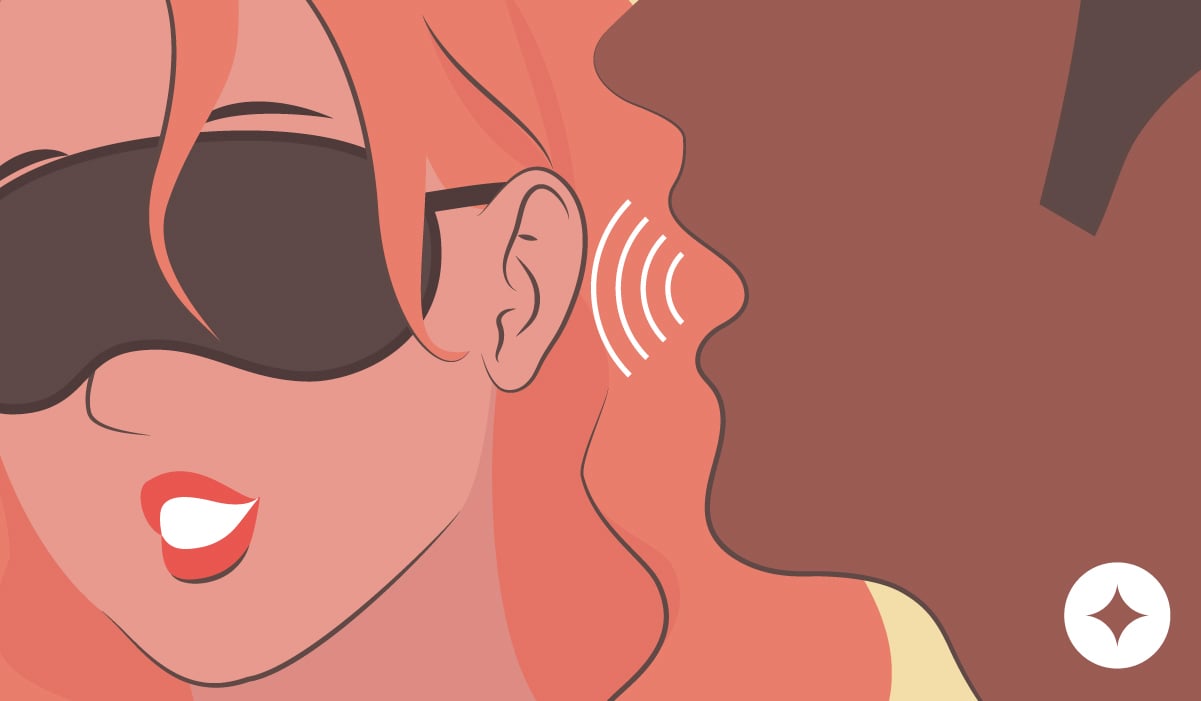
Whispering and close voices work differently. A voice dropped to just above a breath – something meant only for you, with the sound of proximity built right in – creates an intimacy that full volume simply can’t replicate.
Proximity implied through sound.
Dirty talk can be explicit or just suggestive, ranging from a single low sentence to a full erotic narration. ASMR-adjacent sounds sit nearby on the map: soft tapping, gentle speech, the crackle of something being unwrapped. These can blur the line between relaxation and arousal in ways that catch people off guard.
Then there are the sounds of sex itself – skin contact, breath, wet sounds, the steady hum of a vibrator. For auralists, that last one is worth paying attention to: the sound of a toy warming up can be as activating as the vibration itself, a kind of Pavlovian cue that the body learns to respond to. The sound alone signals what’s coming.
Why Your Brain Gets Turned On by Sound
Think of it this way – you can shut your eyes to block a visual stimulus, but you can’t fully block out sound. Your ears don’t have lids. Sound gets in – and your brain processes it differently than sight, activating emotion, memory, and physical response all at once rather than in sequence.
When your brain hears sounds it associates with pleasure, it releases dopamine – the same chemical response triggered when a particular song sends a shiver through your whole body. That response is anticipatory: your body starts preparing before anything has physically happened yet. And when you hear someone else experiencing pleasure, mirror neurons activate. Your nervous system begins to mirror what it’s hearing, so you don’t just perceive the arousal.
You start to feel it.
ASMR and auralism often get conflated, but they do different things. ASMR creates a tingling, deeply relaxed response (sometimes called a “brain orgasm”) triggered by soft, specific sounds. Auralism is specifically about sexual arousal. The two can overlap – some people experience both from the same audio trigger – but they’re distinct mechanisms, and knowing the difference helps you figure out what you’re actually responding to.
Then there’s imagination. Without visual input, your brain fills in the gaps with its own version of events. That’s why audio erotica can feel more intimate than visual porn: the fantasy it builds is entirely yours.
How to Explore Auralism on Your Own
Audio erotica is the most direct starting point. Platforms like Quinn, Dipsea, and Literotica’s audio section all organize content by type – moaning-focused, whispering, dirty talk, ambient, or narrative. Pick one or two categories that already appeal to you and see what actually lands. Headphones are essential here: they create full sensory immersion and seal out the ambient noise that pulls attention away from the experience.
A blindfold during solo play is worth trying. Removing visual input forces your attention toward what you’re hearing – sounds that usually sit in the background suddenly become the main event. If you want to go hands-free while you listen, the Le Wand Point is designed to sit right where you need it without holding anything in place, so your focus stays on the audio.
Pay attention to the sounds your toy makes as well. The deep, rumbly vibration of a Le Wand Vibrator isn’t just a physical sensation – the hum itself is an audio cue, and it registers before the vibration even reaches you.
The Die-Cast takes this further: its metal body produces a deeper, more resonant tone than silicone-headed wands, and for sound-responsive folks, that difference in vibration profile is something you feel and hear. If that sound already does something for you, you’ve been using sound-based arousal without naming it. Our guide to choosing a wand vibrator can help you find one whose profile works as both a tactile and auditory trigger.
Build a playlist intentionally. Notice which rhythms and bass lines shift something in your body, then use it during solo play rather than as passive background noise. That repetition builds a conditioned response over time – and eventually, the playlist alone starts doing some of the work.
Bringing Auralism Into the Bedroom With a Partner
Most partners want to get this right – they just don’t always know what “right” sounds like for you. Being specific helps: more vocalization, a whispered phrase, a bit of dirty talk. Knowing how to ask for what you want in bed makes that first conversation easier than it might feel going in.
Once you’re on the same page, start simple. Asking for more vocalization is usually the easiest entry point – something like “I want to hear you” is direct, low-pressure, and goes further than most people expect. If full dirty talk feels like a stretch, narration is a gentler version: “tell me what you want” or “say what you’re feeling” opens things up without requiring a script. Most people just haven’t been encouraged to be vocal during sex, not because they don’t want to be. If your partner is naturally quiet, try being more vocal yourself first; it often gives them the cue to follow.
Try a blindfold on one of you. For the person wearing it, every sound in the room sharpens – breathing, movement, whatever gets said. Audio erotica works well as shared foreplay too: listen together before things get physical, and let it open up a conversation about what actually landed for each of you.
The most intimate technique is narration. Have your partner describe what they’re doing – in real time, in some detail – while they’re doing it. Sound and touch layered like that hit differently than either one alone.
Taking It Further With Sensory Play and BDSM
The blindfold is one entry into sensory deprivation – but there’s a more intense variation worth knowing. Blocking hearing first with earmuffs, then removing them mid-scene, creates a sharp auditory contrast where every sound that returns feels amplified and new. In BDSM and sensory play contexts, this is where a dominant partner’s voice becomes a real tool. Commands, whispers, deliberate silence, the precise timing of when they speak – all of it lands harder when the listener has been in audio darkness first. Sound stops being ambient and starts being something controlled and given.
Agree on a safeword before any sensory deprivation scene. The intensity of restricted hearing is harder to predict than you’d expect, and a clear exit signal keeps everyone grounded.
For multi-sensory layering, pair auralism with temperature play – sound alongside physical contrast creates a completely different kind of intensity. Le Wand’s stainless steel collection can be warmed or cooled before use, adding that thermal element while a wand provides the auditory and vibrational layer externally. Audio erotica also works well alongside edging techniques, using sound to build arousal deliberately and then controlling exactly when it pays off.
Frequently Asked Questions
Is auralism the same as ASMR?
Not exactly. ASMR triggers a tingling, deeply relaxed response to specific soft sounds – sometimes called a “brain orgasm.” Auralism is about sexual arousal. The two can overlap for people who experience ASMR, but they’re distinct responses doing different things.
Is auralism normal?
Yes – and more common than most people realize. Sound is one of the most direct sensory pathways to arousal, and the rise of audio erotica as a mainstream category suggests a lot of people already know this about themselves. Part of why it feels so immediate is neurological: your brain releases dopamine in response to sounds it associates with pleasure before you’ve consciously processed what you’re hearing. And because you can’t close your ears the way you can close your eyes, sound gets through filters that other stimuli don’t.
Do I need a partner to explore auralism?
Not at all. Audio erotica platforms, a well-built playlist, and paying attention to the sounds your vibrator makes during solo play are all solid starting points on your own.
Can auralism be part of BDSM?
Absolutely. A dominant partner’s voice, whispered commands, deliberate silence, and sensory deprivation scenes all treat sound as a central tool. It’s one of the most natural pairings in kink.
What if my partner isn’t naturally vocal?
Many people just haven’t been given permission to be loud during sex – it doesn’t mean they’re not into it. A direct, low-pressure conversation about what you’d like to hear is usually all it takes to open that up.
Start Listening to What Your Body Responds To
One audio erotica session with headphones. A single conversation with a partner about what you’d like to hear. Or just paying attention to what sounds are already doing something for you the next time you’re turned on.
Any of those is enough to start.
Sound has been part of every sexual experience you’ve ever had – you just haven’t necessarily been listening to it deliberately. Auralism isn’t something you build from scratch; it’s something you notice, and then start to use. Once you do, familiar experiences begin to feel different in ways that are genuinely hard to explain but easy to enjoy.
If you want to add vibration to the mix, the Le Wand Original brings 10 speeds of deep, rumbly vibration alongside the auditory cue of its signature hum – sound and touch layered in the same moment.