 EVERY WITCH NEEDS A WAND! Up To 40% Off Bestsellers. Shop the Magic!


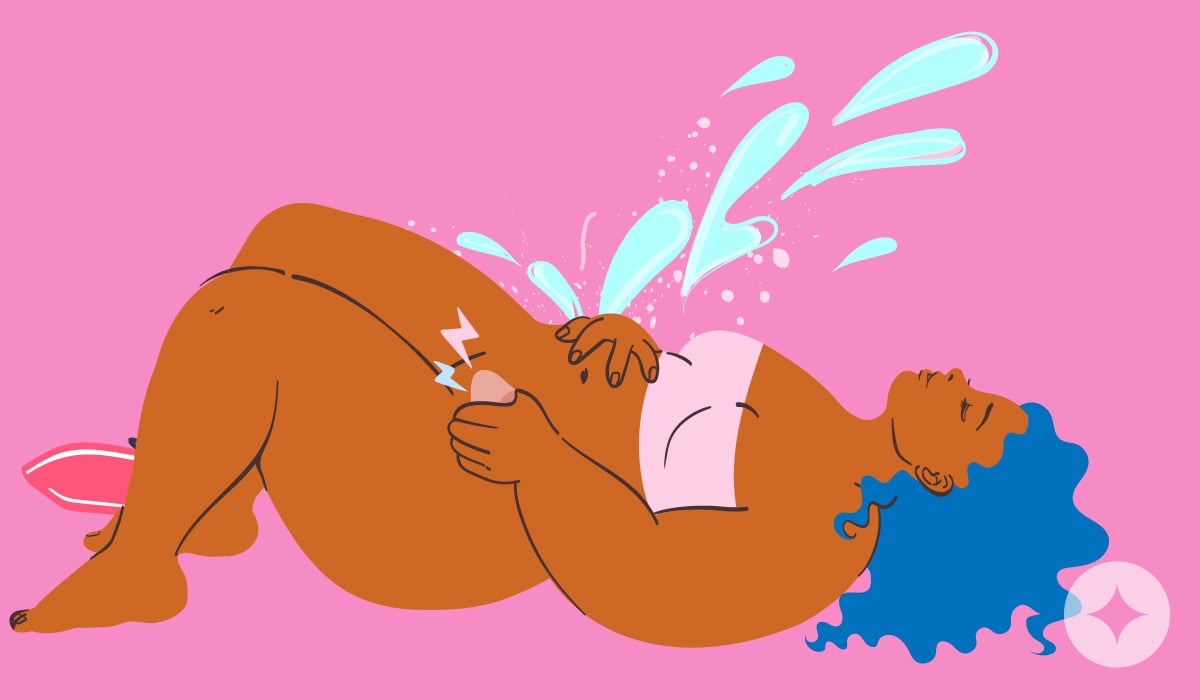
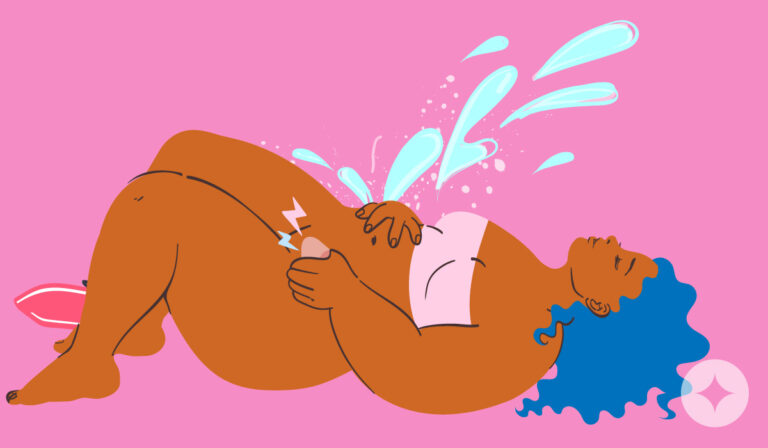
Let’s clear something up right away: squirting isn’t just a porn myth, but it also doesn’t look like what you see on screen. There’s no volcanic eruption or fire-hose pressure involved for most people. For many vulva owners, it’s more of a gush, a trickle, or even just a noticeable wet spot discovered after the fact.
Whether you’ve experienced squirting before and want to understand it better, or you’re curious about exploring this type of orgasm for the first time, this guide covers everything you need to know—from the anatomy and science behind it to practical, step-by-step techniques you can try solo or with a partner.
What Is Squirting, Really?
Squirting refers to the release of fluid from the urethra during sexual arousal or orgasm. It’s sometimes called “gushing” and involves a relatively large volume of clear, watery liquid.
Here’s where things get interesting: squirting and female ejaculation are actually two different things, even though we often use these terms interchangeably. Research published in Clinical Anatomy in 2022 confirmed that these are distinct phenomena with different origins.
Squirting involves 10 millilitres or more of transparent fluid that originates primarily from the bladder. It’s expelled through the urethra and contains components similar to diluted urine (like urea and creatinine), though it’s not the same as regular urination.
Female ejaculation is the release of a much smaller amount—usually just a few millilitres—of thick, milky-white fluid from the Skene’s glands (sometimes called the “female prostate”). This fluid contains prostate-specific antigen (PSA), which is also found in precum and semen.
The good news? Both can happen at the same time. So when you experience that rush of fluid during an intense orgasm, it might be a combination of both.
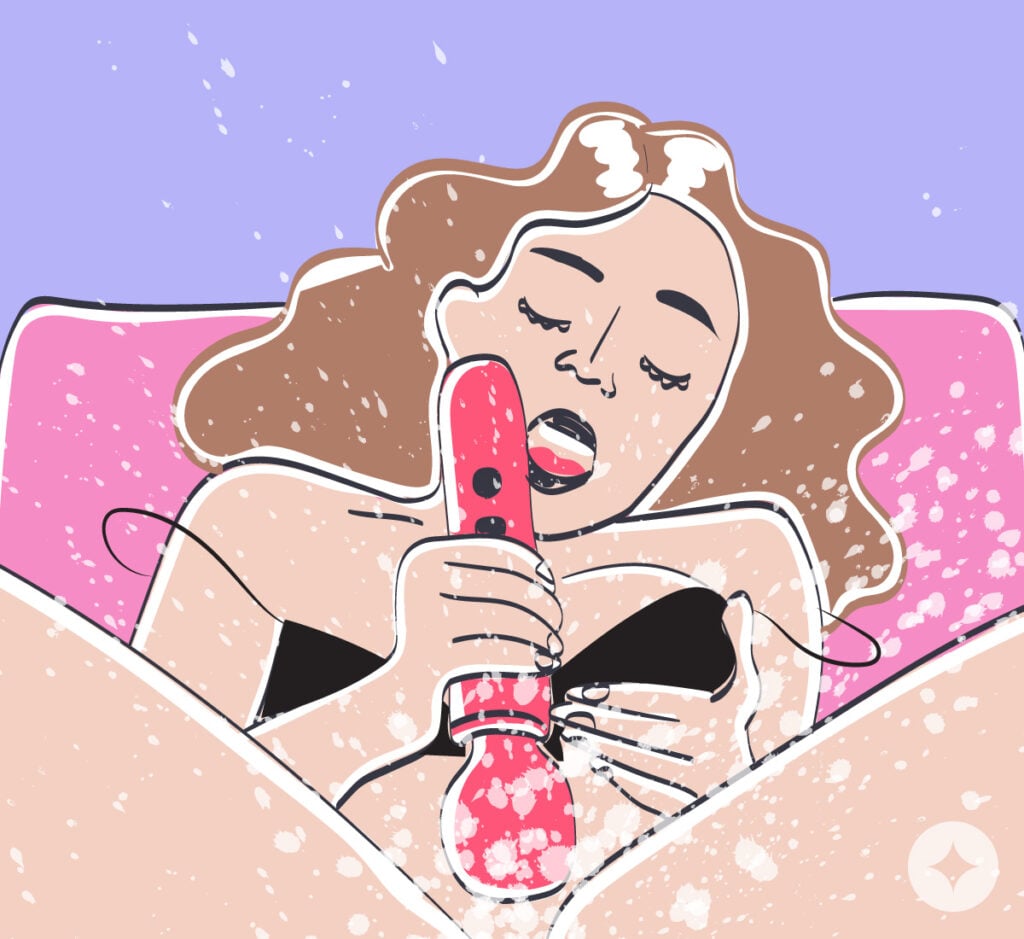
Is Squirt Just Pee?
This is probably the most common question about squirting, and the answer is: it’s complicated.
The fluid released during squirting does share some chemical components with urine—it passes through the bladder and exits from the urethra, after all. But research suggests it’s not just urine. Studies have found that squirting fluid is more diluted than regular urine and often contains PSA from the Skene’s glands, indicating that something else is happening beyond simple bladder release.
Here’s the thing that matters most: whatever the fluid is, it’s a completely normal physiological response to sexual pleasure. Bodies release all kinds of fluids during sex—vaginal lubrication, sweat, sometimes tears. Squirting is just one more way your body might respond to intense stimulation, and there’s absolutely nothing to be embarrassed about.
If you’re worried about accidentally peeing, emptying your bladder before you start can give you peace of mind. But even if there’s a little urine mixed in? That’s okay. Fluids happen during sex, and stressing about it will only make it harder to relax into the sensations.
How Common Is Squirting?
Research on squirting prevalence varies widely—studies suggest anywhere from 10% to 54% of vulva owners have experienced it at some point. A 2023 study in The Journal of Sex Research found that approximately 40% of adult women in the US report having squirted during their lifetime.
What’s particularly interesting is that some people discover squirting later in life. Swedish research interviewing people about their experiences found that several participants only started squirting in their 30s, 40s, or even later—sometimes after giving birth, sometimes simply because they became more relaxed and open about sexual exploration.
So if you’ve never squirted, it doesn’t mean you never will. And if you never do? That’s equally valid. Squirting is just one type of pleasure response among many—it’s not a benchmark for good sex or sexual “success.”
The Anatomy Behind Squirting
Understanding what’s happening in your body can make it easier to explore squirting. Here’s what you need to know:
The G-Spot (Urethral Sponge)
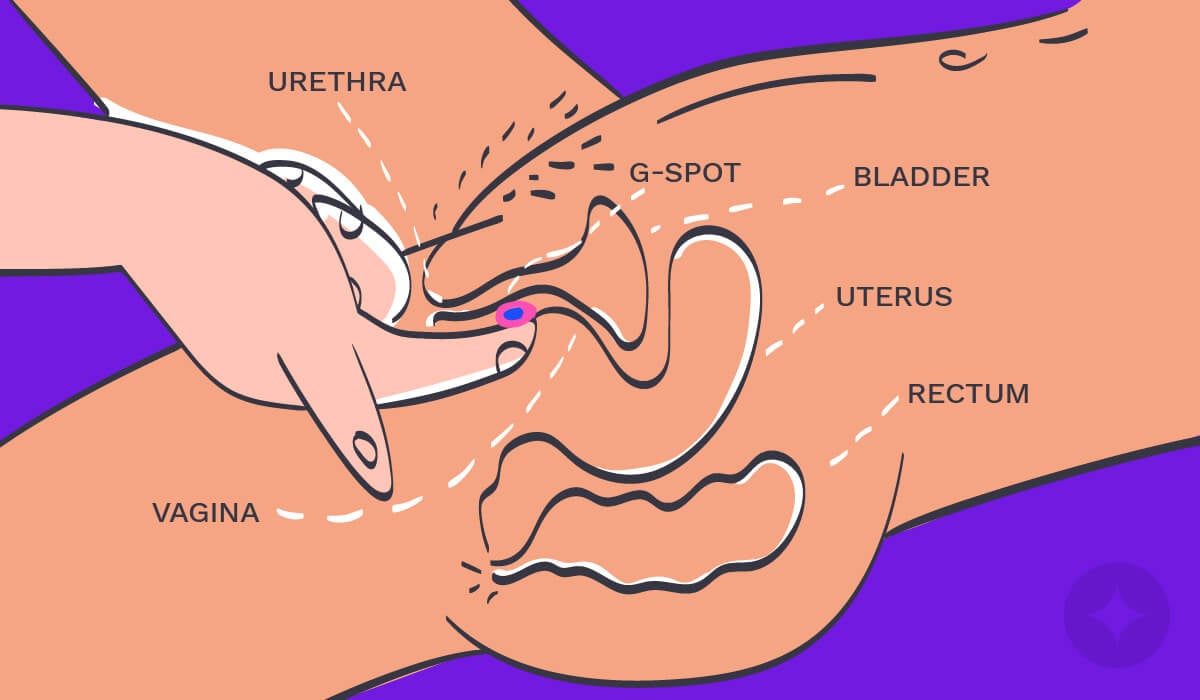
The G-spot is located about 2–3 inches inside the vagina on the front wall (toward your belly button). It’s not a distinct structure but rather an area where you can feel the urethral sponge—a cushion of erectile tissue surrounding the urethra. Understanding how to stimulate the G-spot is essential for squirting exploration.
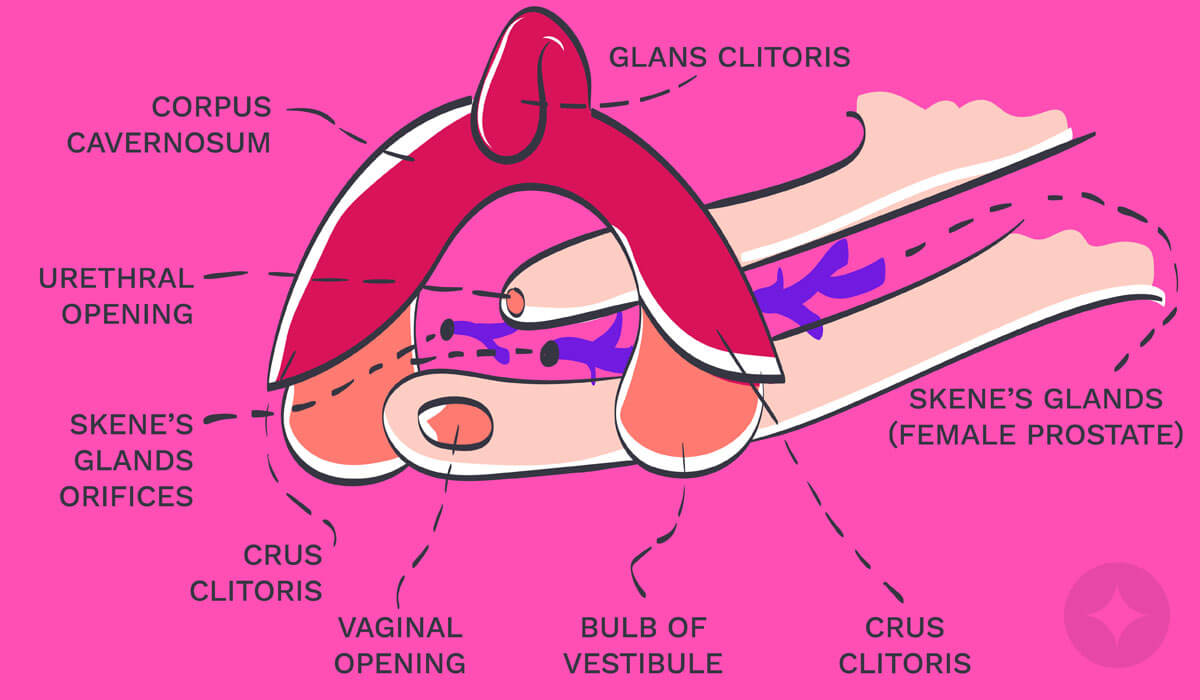
When you’re aroused, this tissue fills with blood and becomes swollen and firm, making it easier to locate and more sensitive to touch. The texture often feels slightly ridged or spongy compared to the smoother surrounding vaginal walls.
The Skene’s Glands
Also known as the “female prostate” or paraurethral glands, the Skene’s glands sit on either side of the urethra. When the G-spot area is stimulated, these glands fill with fluid. This is where female ejaculate (the milky fluid) originates.
The Clitoris
While clitoral stimulation isn’t always directly associated with squirting, the internal structure of the clitoris surrounds the vaginal canal and connects to the G-spot area. Many people find that combining clitoral and G-spot stimulation—what’s called a blended orgasm—increases their chances of squirting.
How to Prepare for Squirting
Setting yourself up for success involves both physical preparation and getting into the right headspace.
Physical Preparation
Stay hydrated. While there’s no scientific proof that hydration directly causes squirting, your body needs fluid to produce fluid. Drink water throughout the day (not a gallon right before—that’ll just make you need to pee constantly).
Empty your bladder. Going to the bathroom before you start removes one of the biggest mental blocks people experience. When G-spot stimulation builds, it creates a sensation very similar to needing to urinate. Knowing your bladder is empty can help you push past that feeling instead of clenching up.
Protect your space. Squirting can produce a surprising amount of fluid. Lay down a towel, use a waterproof blanket, or invest in a dedicated sex blanket. Not worrying about your mattress allows you to fully let go.
Have lube ready. Water-based lubricant makes G-spot stimulation more comfortable and pleasurable. If you’re using toys, lube is essential for reducing friction and allowing you to focus on sensation rather than discomfort.
Mental Preparation
Release expectations. The more pressure you put on yourself to squirt, the less likely it is to happen. Approach this as exploration, not a performance goal.
Get genuinely aroused first. Squirting typically requires extended, intense stimulation—which is much easier when you’re already turned on. Spend time with whatever gets you going: fantasies, erotica, foreplay with a partner, or warming up with external stimulation.
Practice letting go. The moment right before squirting often feels like you’re about to pee, which triggers a reflexive clenching response. Learning to relax your pelvic floor muscles instead of tightening them is key. This might take practice—and that’s completely normal.
Step-by-Step: How to Make Yourself Squirt
Whether you’re flying solo or exploring with a partner, these techniques can help you work toward a squirting orgasm.
Solo Exploration
1. Create the right environment. Make sure you won’t be interrupted. Dim the lights, put on music if that helps you relax, and get comfortable. Lay down your towel or blanket.
2. Warm up thoroughly. Start with whatever typically turns you on—external clitoral stimulation, nipple play, watching or reading something arousing. The goal is to get blood flowing to your genitals and build arousal before you focus on your G-spot. This might take 15–20 minutes, and that’s fine.
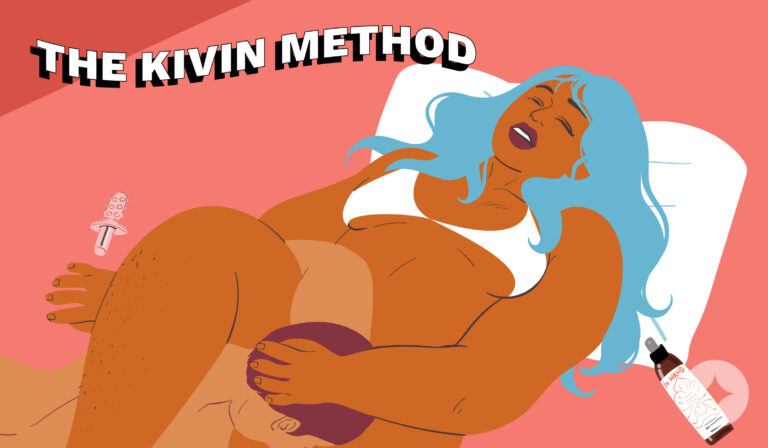
3. Find your G-spot. Lie on your back with your knees bent. Insert one or two fingers (palm facing up) about 2 inches into your vagina. Curl your fingers in a “come hither” motion toward your belly button. You’re looking for an area that feels slightly textured or spongy—that’s your urethral sponge. When you press on it, you might feel a sensation like needing to pee. That’s normal and actually a good sign.
4. Experiment with stimulation. Try different motions: the come-hither curl, firm steady pressure, or a rhythmic pressing/releasing motion. Pay attention to what creates the most intense sensations. Some people prefer consistent rhythm; others like variation.
5. Add clitoral stimulation. Using your other hand or a vibrator on your clitoris while stimulating your G-spot can intensify sensations significantly. Many people find this combination is what tips them over into squirting.
6. Lean into the “need to pee” feeling. As arousal builds, you’ll likely feel increasing pressure—like you need to urinate. This is the moment to consciously relax your pelvic floor instead of clenching. Some people describe it as “bearing down” or “pushing out” gently. Breathe deeply and let go.
7. Use toys to your advantage. Fingers work, but they can get tired—and it’s hard to apply consistent G-spot pressure while also stimulating your clit. Curved vibrators and weighted toys are designed to hit the right spot, and they don’t get fatigued.
With a Partner
Communication is everything when exploring squirting with a partner. Let them know what you’re trying, what feels good, and when to keep going (or try something different). If you’re new to using sex toys with a partner, this can be a great opportunity to explore together.
Positioning: Lying on your back with a pillow under your hips gives your partner good access for G-spot stimulation with their fingers or a toy.
Technique: Your partner can use the same come-hither motion with their fingers, applying firm pressure and building speed as your arousal increases. Some partners position themselves perpendicular to you so they can use their whole arm for more stamina.
Adding vibration: While your partner handles internal stimulation, a wand vibrator against your clitoris can provide the external stimulation that pushes you over the edge.
During penetration: Certain positions angle penetration toward the G-spot more effectively—try having your partner enter from behind while you’re on your stomach (prone bone), or lie on your back with your hips elevated on a pillow.
Best Positions for Squirting
While squirting can happen in any position, some angles make G-spot stimulation easier:
On your back: The classic position for G-spot exploration. Add a pillow under your hips to change the angle of penetration.
Prone (face-down): Lying flat on your stomach while a partner enters from behind can create consistent G-spot pressure.
Doggy style: Allows deep penetration that naturally angles toward the G-spot, especially if you arch your back downward.
Standing: Some people find standing while receiving G-spot stimulation with fingers or a toy allows for easier release. The shower is great for this—built-in cleanup.
Riding on top: Gives you control over depth, angle, and pace, letting you find what hits your G-spot best.
Using Toys for Squirting
The right toy can make a significant difference, especially when you’re learning. Here’s what to look for:
Curved G-Spot Vibrators
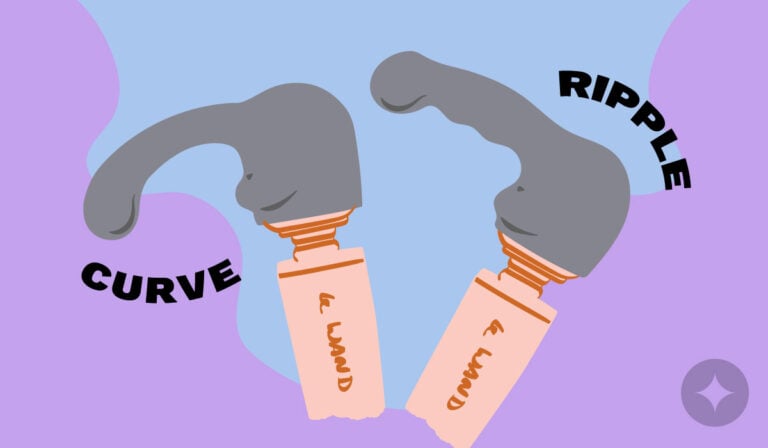
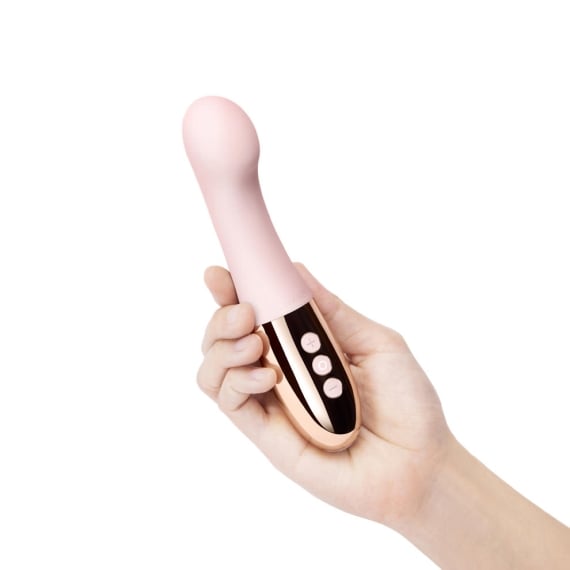
Toys with a pronounced curve and a bulbous head are designed to press directly against the G-spot. The Le Wand Gee is specifically designed for G-spot targeting, with a curved shape that removes all the guesswork and delivers deeply satisfying vibrations right where you need them. G-spot toys come in various sizes and materials—look for firm, curved shapes that won’t flex away from where you need pressure.
Weighted Stainless Steel Toys
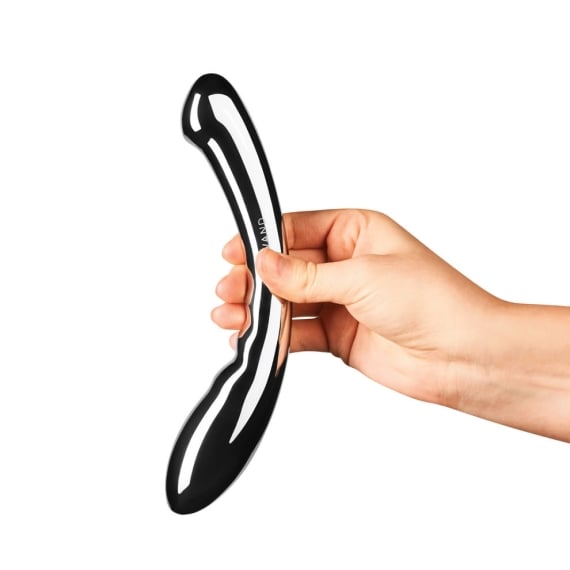
Non-vibrating stainless steel toys offer unique advantages for G-spot exploration. The Le Wand Arch provides satisfying weight and firm pressure that many people find ideal for squirting. At nearly 2 pounds, weighted metal toys use gravity to help apply consistent pressure without exhausting your hand—and they’re excellent for temperature play too.
Wand Vibrators
A powerful wand vibrator provides intense external clitoral stimulation, and with a curved wand attachment, you can direct vibration toward your G-spot internally. The combination of power and versatility makes wands excellent for exploring blended orgasms that may lead to squirting.
Rabbit Vibrators
Rabbit-style toys stimulate the G-spot and clitoris simultaneously, removing the need to coordinate multiple hands or toys. If you find dual stimulation is key to your squirting experience, a rabbit vibrator handles both zones at once.
What If I Can’t Squirt?
Here’s something important: not being able to squirt doesn’t mean anything is wrong with you. Some bodies do this; some don’t. The anatomy of the Skene’s glands varies from person to person—some people’s glands may be positioned differently or produce less fluid.
Beyond anatomy, there are psychological factors. If you can’t fully relax, if you’re worried about making a mess, or if you’re putting pressure on yourself to “perform,” your body is much less likely to release.
If you’ve tried multiple times without success, consider:
Giving it time. Many people don’t squirt until they’ve been exploring for a while—sometimes months or years.
Focusing on pleasure, not outcome. G-spot stimulation feels good whether you squirt or not. Let that be enough.
Trying different approaches. Some people never squirt from fingers but do with toys, or vice versa. Some need clitoral stimulation; others find it distracting.
Accepting your body’s response. Some vulva owners simply don’t squirt, and there’s nothing wrong with that.
An orgasm isn’t better or worse based on whether fluid comes out. Pleasure is the goal—not a specific physiological response.
Frequently Asked Questions
Does squirting feel different from a regular orgasm?
For some people, yes—they describe squirting orgasms as deeper, more intense, or more full-body. Others say squirting happens alongside their orgasm but doesn’t necessarily change how it feels. And some people squirt without orgasming at all. Everyone’s experience is different—just like vaginal orgasms feel different for everyone too.
Can squirting happen during penetrative sex?
Absolutely. Positions that angle penetration toward the G-spot (like doggy style or missionary with elevated hips) can trigger squirting. Adding clitoral stimulation during penetration increases the likelihood.
Will squirting ruin my mattress?
It might leave a wet spot, but it won’t permanently damage most mattresses. Using a waterproof sex blanket or mattress protector is an easy solution. The fluid is water-based and doesn’t stain.
Can I learn to control when I squirt?
With practice, some people can recognise the building sensation and either lean into it or ease off. Strengthening your pelvic floor muscles through Kegel exercises may give you more awareness and control over these muscles.
Is it safe to squirt frequently?
There’s no evidence that squirting frequently causes any health problems. As with any sexual activity, listen to your body—if anything feels uncomfortable or painful, take a break.
Squirting can be an exciting addition to your pleasure repertoire, but it’s not the ultimate goal of sex. Whether you gush, trickle, or don’t release any extra fluid at all, what matters is that you’re exploring your body, understanding what feels good, and experiencing pleasure on your own terms. That’s always something worth celebrating.